

Ian Vásquez, Justin Logan, Brandan P. Buck, Marcos Falcone, Katherine Thompson, Clark Neily, & Jeffrey A. Singer
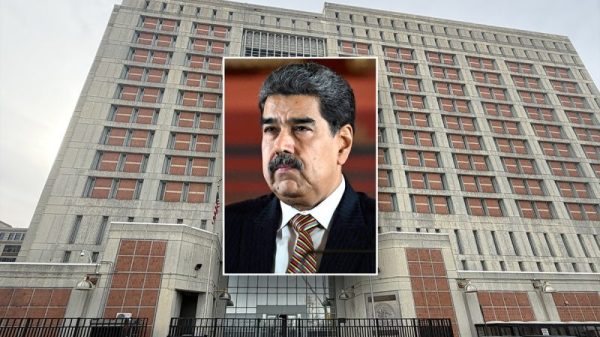
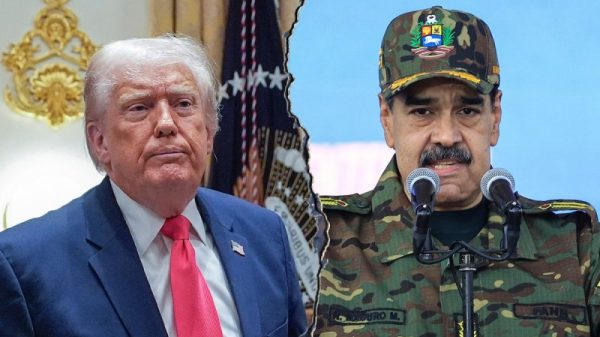
Scholars at the Cato Institute provide independent analysis on the implications of the US military raid in Venezuela and the capture of Nicolás Maduro, the country’s socialist dictator.
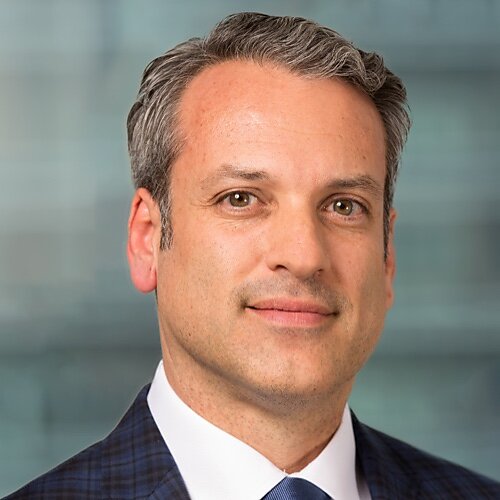
Ian Vásquez, Vice President for International Studies at the Cato Institute, holder of the David Boaz Chair, and Director of Cato’s Center for Global Liberty and Prosperity:
“Freedom-loving people everywhere can celebrate the downfall of dictator Nicolás Maduro and the possibility of Venezuela’s return to democracy, even if there are serious concerns about the constitutionality or legality of President Trump’s unilateral use of military force and its broader foreign policy implications. Under the socialist regime that began with Hugo Chavez more than two decades ago and continued under Maduro, Venezuela became one of the least free countries in the world with an abysmal human rights record and a society living in a deepening economic, social, and humanitarian crisis.
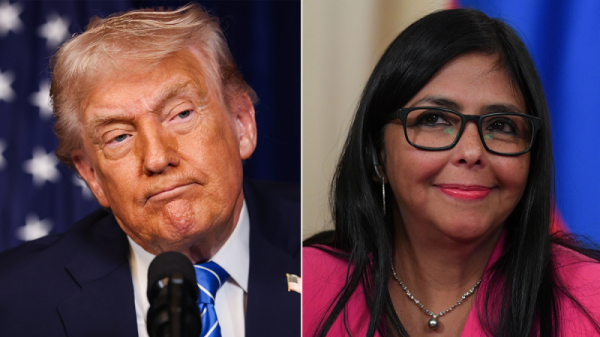
“Trump has said that the United States would run the country with Delcy Rodriguez, Maduro’s vice president, until a proper transition takes place. Doing so would be a huge mistake. Rodriguez has long been a part of the hated regime and enjoys no legitimacy among the Venezuelan people. The best way forward for the United States and Venezuela is to quickly initiate a transition to democracy with political leaders who have democratic legitimacy, rather than engage in nation-building or heavy-handed US intervention in the running of the country.
“Venezuelan opposition leader Maria Corina Machado enjoys the overwhelming support of Venezuelans, as evidenced by the opposition’s landslide victory in the 2024 elections that were stolen by Maduro. Astoundingly, Trump stated that Machado does not have the support or respect of the Venezuelan people, so it would be difficult for her to govern. Nothing could be further from the truth. She is like the Lech Walesa of Venezuela. The United States would be wise to work with Machado and her team on a swift transition to democracy and allow Venezuelans to rebuild their country. That is especially so since Machado has clearly articulated a far-reaching reform agenda to restore freedom and to modernize the country by opening the economy, privatizing the oil monopoly, deregulating, and establishing a rule of law—all policies consistent with US foreign policy goals.”
Justin Logan, Director of Defense and Foreign Policy Studies:
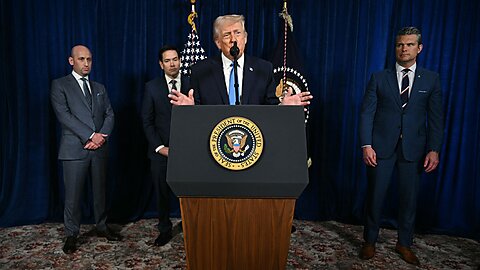
“President Trump’s repeated claim, in prepared remarks, that the United States would now ‘run Venezuela’ ‘until a safe, proper, and judicious transition’ can take place was hopefully untrue. The American people did not sign up for a nation-building campaign in Venezuela. They haven’t even been asked. The Secretary of War’s claim that the attack was about ‘the safety, security, freedom, and prosperity of the American people’ strains credulity past the breaking point.
“We still have no answers to what ‘run Venezuela’ means, nor any clarity about who will be doing it, what it will cost, when it will end, or how it will be paid for. It is well past time for Congress not just to ask questions of the administration but to use the tools available to it to constrain an administration that has run well beyond its authority.”

Brandan P. Buck, Research Fellow in Foreign Policy Studies:
“The US capture of Nicolás Maduro introduces serious diplomatic and strategic risks without advancing the administration’s core policy interests in Venezuela or Latin America. The president’s proposal this morning to ‘run’ Venezuela carries the same risks of overextension that plagued US policy in the Middle East—this time in the Western Hemisphere. This operation is unlikely to reduce drug trafficking or migration, key objectives of the Trump administration policy in Latin America. Instead, the president has now added to a new suite of foreign policy challenges that risk further entanglement and his promise to put America first. The prospect in the regime change and nation-building is no more prudent because they are carried out closer to home.”
Marcos Falcone, Policy Analyst focusing on Latin America at the Cato Institute’s Center for Global Liberty and Prosperity:
“The collapse of Nicolás Maduro’s tyranny is great news for Latin America. For over two decades, the Venezuelan dictator and his predecessor, Hugo Chávez, were the main advocates for socialism across the region, which led not only Venezuela but also other countries into left-wing authoritarianism and economic collapse. In fact, ‘21st Century Socialism,’ as Chávez labeled it, is still not over everywhere. Today, for example, the Nicaraguan socialist dictatorship led by Daniel Ortega is still in place.
“Although the end of the Maduro regime is good news, it would be a mistake for the US to occupy or run Venezuela. The country has a legitimate president, Edmundo González Urrutia, who won the 2024 presidential election with over 67 percent of the vote. With the support of opposition leader María Corina Machado, who was then banned from running and has recently won the Nobel Peace Prize for her efforts to restore democracy and liberty in Venezuela, González Urrutia is ready to take over the country, which is in no danger of civil war or social collapse. He must now take the oath as interim president and call for a new election that can finally put an end to the nightmare that Venezuelans have endured for over 25 years.
“The Venezuelan experience shows once again the danger of electing socialist candidates into office. The chain of events that led from mere big government to an outright dictatorship is not surprising, since it is the logical consequence of implementing socialist policies consistently over a long period of time. The fact that a quarter of Venezuela’s entire population has had to flee the country is no accident. Now, Venezuela has a great chance at restoring liberty and prosperity—and it should be Venezuelans themselves who do it.”
Katherine Thompson, Senior Fellow, Defense and Foreign Policy Studies:
“The Trump administration is at serious risk of strategic drift following the employment of military force in Venezuela. President Trump’s National Security Strategy decisively rejected the obligation that America shoulder ‘forever global burdens,’ including regime change and endless quagmires, which we’ve seen recklessly expend American blood and treasure and distract the US from prioritizing ‘core national interests.’ The president’s remarks that the US will ‘run’ Venezuela and act as arbiter of an undefined power transition are a significant departure from the America First framework. A ‘Donroe Doctrine’ approach to the Western Hemisphere, which projects American military power unrestrained and without core national interests in the region narrowly defined is a strategic mistake, which jeopardizes the larger shift toward realism President Trump and his administration championed coming into office. If the Trump administration overrides its own grounding principles, such as ‘predisposition to nonintervention,’ in favor of the impulses of the moment, America First will quickly result in America Last strategically.”
Clark Neily, Senior Vice President for Legal Studies:
“As a legal matter, any challenge by Nicolás Maduro to his capture last night and subsequent rendition to the United States would run headlong into precedents involving the prosecution of Manuel Noriega in the 1990s. Courts have already upheld the unilateral seizure, prosecution, and conviction of a foreign leader under materially similar circumstances, and given longstanding judicial deference in foreign-affairs cases, judges are unlikely to distinguish that line of authority in Maduro’s case.
“That conclusion, however, should not obscure the deeper constitutional concern here, which is profound. The Constitution deliberately assigns to Congress—not the president—the power to decide when the United States will initiate hostilities against foreign sovereigns. That assignment includes the power to declare war and the related authority to issue letters of marque and reprisal to private entities, both of which reflect a constitutional judgment that decisions risking international conflict, retaliation, and escalation should not rest with a single executive actor.
“When a president unilaterally deploys military force abroad to seize a foreign head of state—effectively collapsing war powers, foreign relations, and criminal law enforcement into a single executive decision—the constitutional safeguards designed to cabin the use of force against other countries are bypassed entirely. That concern is not cured by the existence of a valid indictment. An indictment may (or may not) explain why a president wishes to act, but it cannot supply the constitutional authority to do so through military force without meaningful congressional engagement, let alone authorization.”
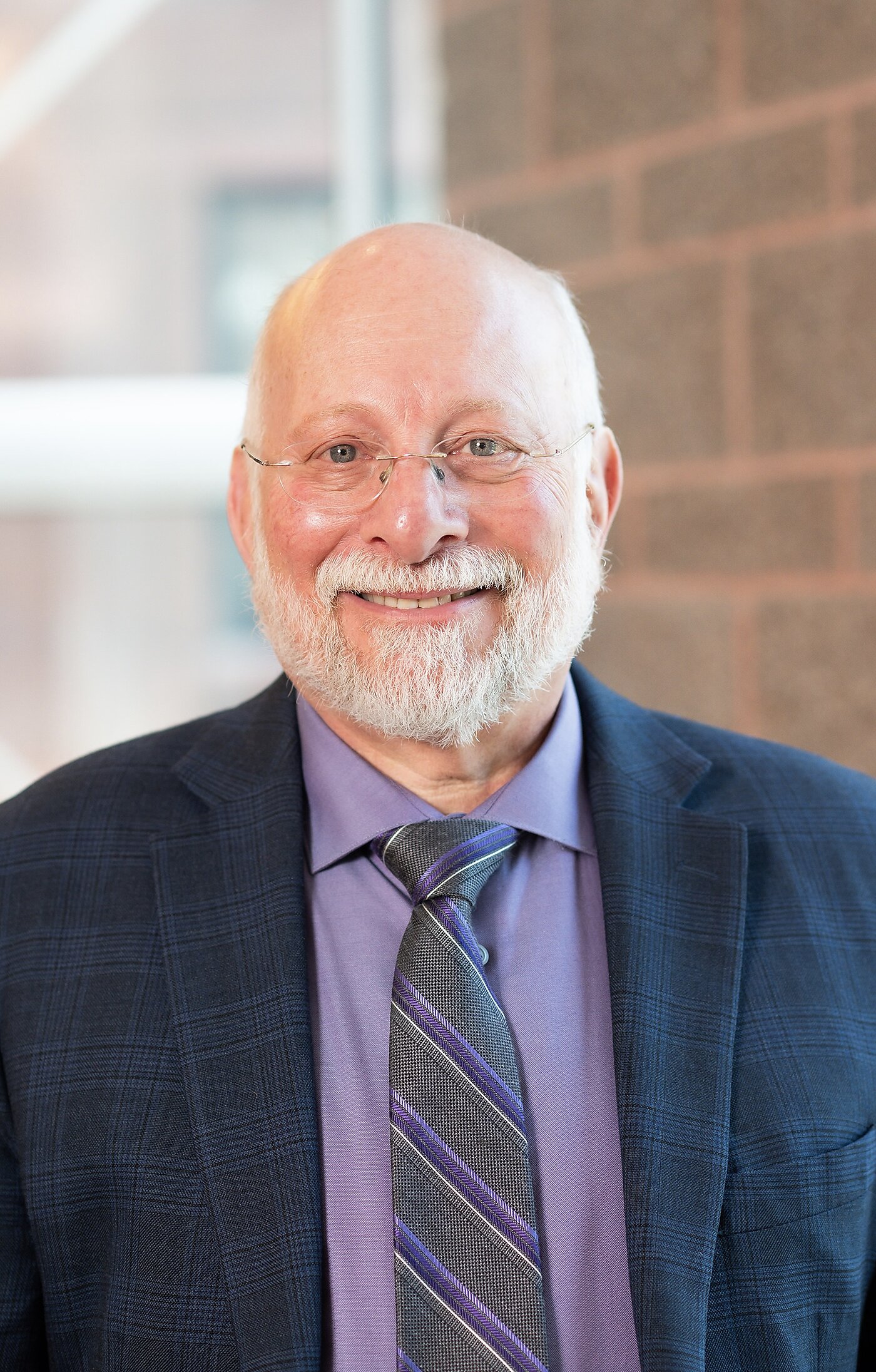
Jeffrey A. Singer, Senior Fellow in the Department of Health Policy Studies:
“One of President Trump’s main justifications for the raid that ousted Maduro from power was to prosecute the drug war better. Maduro was a brutal thug who impoverished and terrorized the Venezuelan people, and he himself is charged with being a drug trafficker, but a new offensive in the lost drug war is not a good reason for the raid. The administration claims it’s fighting ‘narcoterrorists’ who smuggle vast quantities of fentanyl to the US, but the facts do not support this. Fentanyl does not originate from Venezuela, and even the US government’s own intelligence agencies confirm this. Drug smugglers aren’t terrorists, and suggesting that military action in Venezuela will ‘save hundreds of thousands of lives’ is pure fantasy detached from any serious policy analysis.”